
SOP Fertilizer for Greenhouse: Market Demand, Product Requirements and Production Options
Introduction
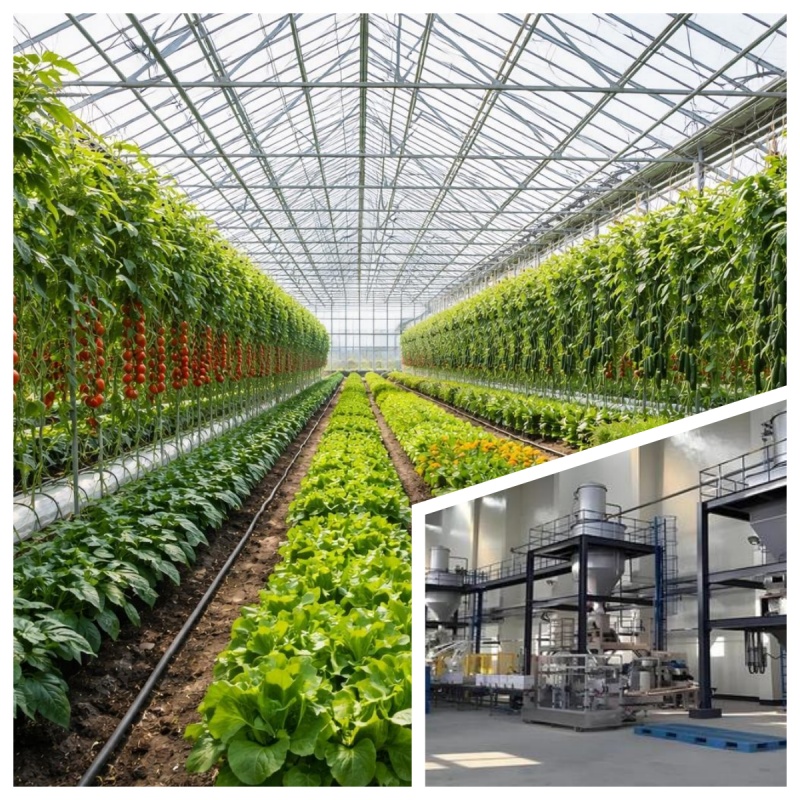
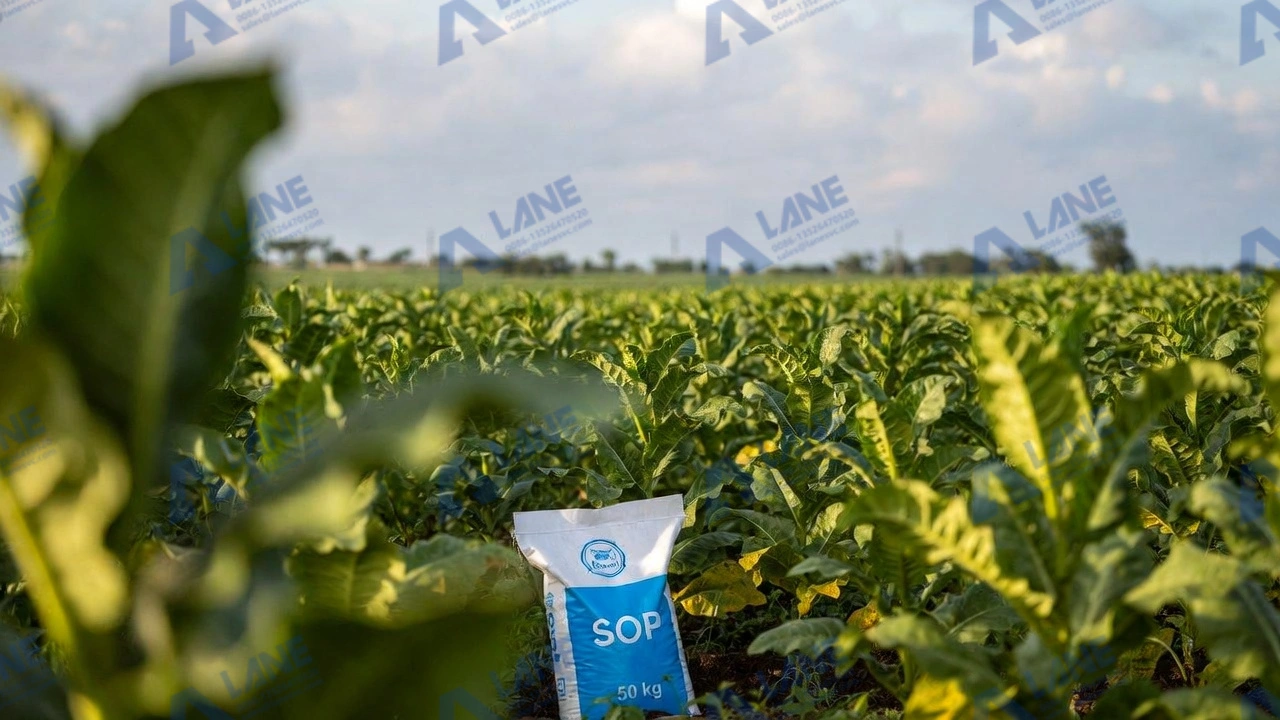
Greenhouse agriculture is developing rapidly in many parts of the world.Countries such as the Netherlands, Spain, Turkey, Canada, and the United States have established commercial greenhouse industries, creating demand for specialized inputs such as SOP Fertilizer for Greenhouse crops, including tomatoes, cucumbers, peppers, and strawberries. Unlike traditional open-field farming, greenhouse production allows growers to control irrigation, temperature, humidity, and nutrient supply more precisely. This creates a different market for agricultural inputs, particularly fertilizers designed for specific growing conditions.
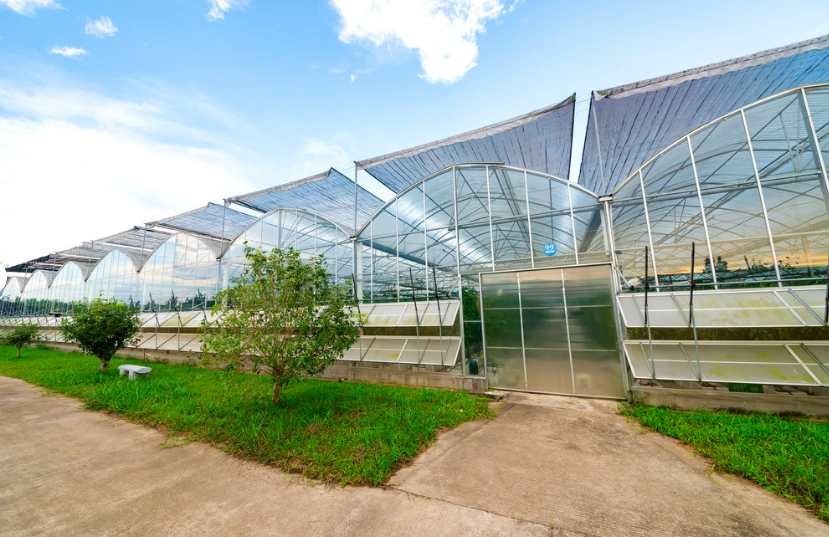
Potassium plays an important role in greenhouse crop nutrition, which is why sop fertilizer for greenhouse production is relevant to suppliers serving commercial vegetable growers. It participates in water regulation, enzyme activation, carbohydrate transportation, and fruit development. Among the available potassium sources, sulfate of potash (SOP), also known as potassium sulfate (K₂SO₄), is widely considered where growers need both potassium and sulfur while limiting additional chloride inputs. This makes sop fertilizer for greenhouse applications relevant to commercial vegetable production, hydroponics, and fertigation systems.
However, the opportunity is not limited to agricultural users. Fertilizer distributors, agricultural suppliers, and manufacturers may also benefit from understanding this market. As greenhouse farms demand more specialized products, suppliers need to consider product purity, solubility, particle size, packaging, and supply consistency. These requirements can create opportunities for businesses that want to expand their fertilizer product range.
For a machinery manufacturer such as LANE, the important question is not simply how growers use SOP. It is how market demand can create opportunities for fertilizer processing and manufacturing projects. A company considering sop fertilizer for greenhouse products needs to understand which grades customers actually purchase, what raw materials are available, and which production process can meet the required specifications.
This article examines the greenhouse fertilizer market from a manufacturer’s perspective. It moves from agricultural demand and product requirements to production methods, equipment selection, and production line planning. The purpose is to help potential investors understand the commercial opportunity behind sop fertilizer for greenhouse products before deciding whether to establish or expand an SOP processing facility.
Why Is SOP Fertilizer Important in Modern Greenhouse Farming?
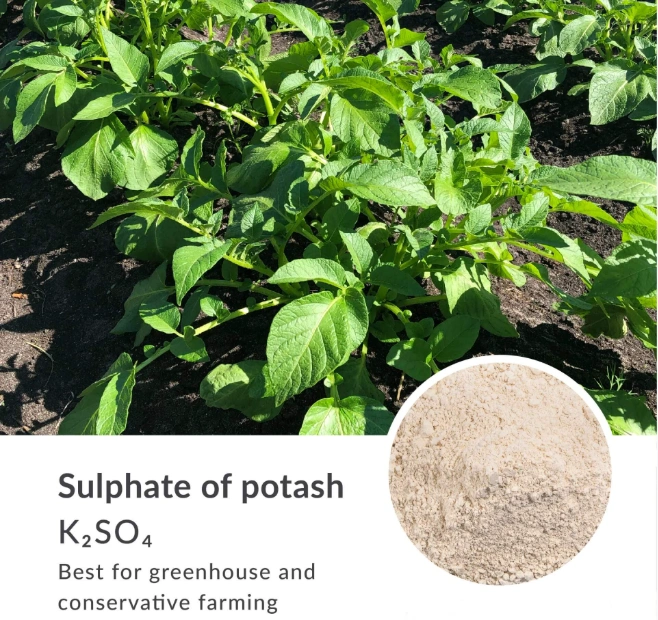
Greenhouse farming provides a controlled environment, but it also requires careful nutrient management, creating a specific market for sop fertilizer for greenhouse crops and other specialized fertilizer products. Growers must consider crop varieties, growth stages, growing media, irrigation water quality, and the amount of nutrients already available in the root zone. A fertilizer that works well in one production system may not be suitable for another.
Potassium is involved in several important plant processes. It helps regulate water movement through plant cells, supports enzyme activity, and participates in the transportation of carbohydrates from leaves to developing fruits. In greenhouse tomatoes, peppers, cucumbers, and strawberries, adequate potassium nutrition is part of a balanced program for normal fruit development and crop quality. The exact requirement depends on crop conditions and should be determined through soil, substrate, or nutrient-solution testing.
One reason growers consider SOP is its combination of potassium and sulfur. Sulfur is an essential nutrient involved in protein formation and other plant processes. Potassium sulfate also provides an alternative to potassium chloride when growers want to limit chloride inputs. This can be relevant for chloride-sensitive crops or production systems where irrigation water and growing media already contain considerable salts.
The market for sop fertilizer for greenhouse applications is also closely connected to fertigation. Fertigation delivers dissolved nutrients through irrigation systems, allowing growers to adjust fertilizer supply according to crop demand. A suitable water-soluble SOP product can provide potassium and sulfur through this method. However, its actual performance depends on solubility, insoluble residue, chloride content, sodium content, and compatibility with other fertilizers.
For example, a commercial greenhouse using drip irrigation may require a high-purity crystalline product that dissolves rapidly and leaves very little residue. A farm using conventional soil application may prefer a granular potassium sulfate product that is easier to store and spread, making granular sop fertilizer for greenhouse soil cultivation a different product option from soluble crystals. Although both products contain potassium sulfate, their physical properties and quality requirements are not identical.
This difference creates an important consideration for manufacturers. Businesses entering the sop fertilizer for greenhouse market should not assume that one product specification can satisfy every customer. They need to identify the target application first and then determine the required chemical composition, physical form, and processing method.
What SOP Fertilizer Products Are Used in Greenhouse Farming?
Greenhouse growers do not all purchase the same type of potassium sulfate. Their choices depend on irrigation systems, cultivation methods, crop requirements, and fertilizer management practices, all of which influence the specifications of sop fertilizer for greenhouse markets. Manufacturers planning to serve this market should understand the differences between water-soluble, powder, and granular products before investing in equipment.
Water-Soluble SOP
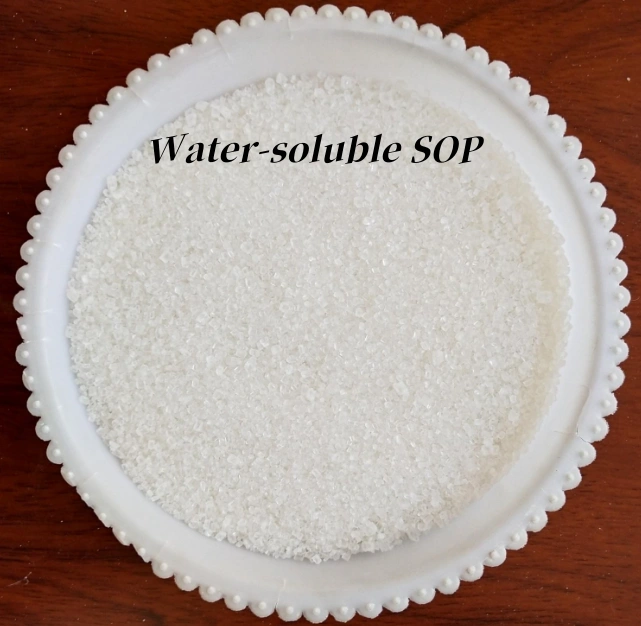
Water-soluble SOP is mainly used in fertigation, hydroponic nutrient programs, and liquid fertilizer preparation. It is generally supplied in crystalline or fine powder form, depending on the intended use of sop fertilizer for greenhouse fertigation and hydroponic systems. Buyers often pay attention to potassium oxide content, sulfur content, chloride level, sodium level, insoluble matter, and dissolution performance.
For this product category, appearance alone cannot demonstrate quality. A fine-looking powder may still contain impurities or leave residue after mixing with water, which can reduce its suitability for high-quality sop fertilizer for greenhouse applications. Manufacturers should clearly distinguish ordinary granular SOP from water-soluble SOP because SOP Fertilizer for Greenhouse applications may require different particle properties, dissolution performance, and quality standards depending on whether the product is used for soil application or fertigation.
The quality requirements of sop fertilizer for greenhouse applications can be particularly demanding when the product is used in drip irrigation. Undissolved particles may accumulate in filters, pipes, or emitters if the fertilizer is unsuitable for the irrigation system. This is why buyers may request technical data sheets, laboratory reports, and product samples before placing large orders.
Powder SOP
Powder potassium sulfate can be used as a raw material for fertilizer blending, liquid fertilizer preparation, or further processing.Its particle size affects mixing performance, material flow, dust generation, and storage stability, so manufacturers must consider these factors when preparing powder-based sop fertilizer for greenhouse products.
Manufacturers should also consider moisture control. When powder absorbs moisture during storage, it may form lumps and become difficult to transport or feed into processing equipment. Appropriate packaging and warehouse conditions are therefore important.
A powder processing project may require crushing, milling, screening, and packaging equipment. However, if the purchased raw material already meets the required fineness, some processing stages may not be necessary. The equipment arrangement should be determined by the actual condition of the incoming material.
Granular SOP
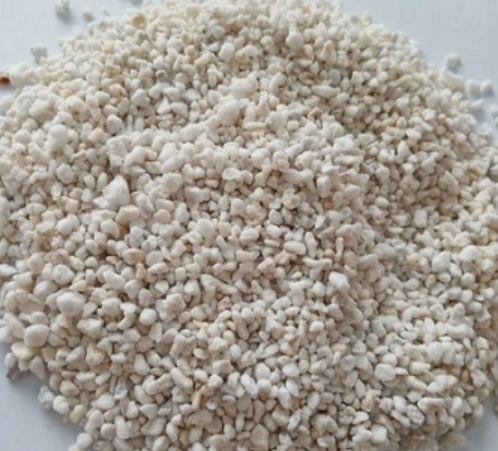
Granular SOP is generally selected for solid fertilizer applications where customers prefer material that is easier to store, transport, handle, and spread. Important quality indicators for granular sop fertilizer for greenhouse soil applications include particle size distribution, granule strength, moisture content, appearance, and resistance to caking.
Granular potassium sulfate can also be used in blended fertilizer production. In this case, its particle size should be reasonably compatible with the other ingredients. Significant differences in particle size or density may cause segregation during transportation and storage, resulting in inconsistent fertilizer composition.
Manufacturers should clearly distinguish ordinary granular SOP from water-soluble SOP. A granule intended for soil application is not automatically suitable for drip irrigation. When planning sop fertilizer for greenhouse product lines, the manufacturer must decide whether the target customers need soluble crystals, powder for further processing, or granular material for soil application.
How Does SOP Fertilizer for Greenhouse Demand Create Opportunities for Manufacturers?
The development of greenhouse agriculture can create opportunities beyond the consumption of agricultural fertilizers. As commercial farms expand, distributors may need to provide more specialized products, including sop fertilizer for greenhouse crops, instead of relying entirely on general-purpose NPK fertilizers. Potassium sulfate can become part of this expanded product range, particularly when customers need a separate source of potassium and sulfur.
Consider a distributor supplying fertilizers to commercial vegetable farms. Its customers may initially purchase compound fertilizers for routine crop nutrition. Later, some growers may request a separate potassium product that can be adjusted during fruit development or used in a particular fertigation program. The distributor may first purchase water-soluble SOP from an established supplier to test local demand for sop fertilizer for greenhouse applications before considering its own processing project.
If orders become stable and annual demand increases, the distributor may begin considering local processing, packaging, or manufacturing. An existing fertilizer factory may also see an opportunity to add potassium sulfate products to its portfolio. For example, a company already producing NPK fertilizer may want to introduce granular SOP or use potassium sulfate as an ingredient in blended products.
The demand for sop fertilizer for greenhouse products does not mean every business should immediately construct a complete chemical production plant. Investment decisions depend on local market size, raw material availability, technical capability, target product specifications, and expected sales volume. For some businesses, purchasing potassium sulfate feedstock and carrying out downstream processing may be a more practical starting point.
Before investing in sop fertilizer for greenhouse production, manufacturers should investigate the following questions:
- How many potential customers are there in the target region?
- Do local growers prefer water-soluble, powder, or granular products?
- What packaging sizes are commonly purchased?
- Are customers currently relying on imported potassium sulfate?
- Can available raw materials meet the required quality specifications?
- Is annual demand sufficient to support the planned production capacity?
These questions help transform general market interest into a realistic business plan. A manufacturer should not select equipment simply because greenhouse agriculture is developing. It should first identify the products that customers are willing to purchase and estimate the quantity they can reasonably consume.
Another opportunity comes from existing fertilizer manufacturers. A factory that already has mixing, screening, drying, and packaging facilities may be able to expand its product range with additional equipment. Whether this is practical depends on the current layout, raw material condition, and required product quality. A detailed assessment can prevent unnecessary investment.
How Is SOP Fertilizer Produced?
The production method depends on the type of manufacturing project. Some companies produce potassium sulfate through chemical conversion, while others purchase potassium sulfate crystals or powder and process them into finished commercial products. These are different production routes with different technical requirements, equipment configurations, and investment levels.
Chemical Production of Potassium Sulfate
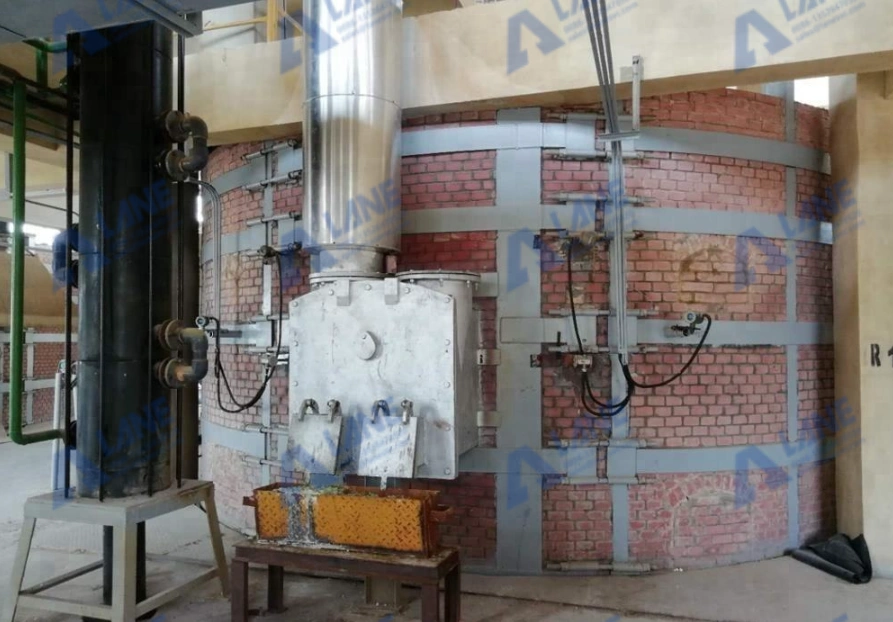
The Mannheim process is an established industrial route for producing potassium sulfate. It uses potassium chloride and sulfuric acid as raw materials. Under high-temperature conditions, the reaction produces potassium sulfate and hydrogen chloride gas.
The simplified overall reaction is:
2KCl + H₂SO₄ → K₂SO₄ + 2HCl
This process requires a specialized reaction system, suitable construction materials, controlled raw material feeding, temperature management, and gas collection and treatment facilities. The generated hydrogen chloride gas must be handled through an appropriate recovery and environmental control system.
A chemical production project involves much more than purchasing a reactor. It requires process engineering, environmental assessment, safety planning, utility calculations, and reliable operation management. Manufacturers considering this route should work with qualified engineering specialists to evaluate the complete project.
Other industrial routes may also be considered depending on feedstock composition and local conditions, particularly when investors plan to supply sop fertilizer for greenhouse customers with specific purity requirements. Their suitability depends on raw material availability, impurity levels, energy costs, environmental requirements, and the target product specification.
Downstream Processing of Purchased SOP
Another option is to purchase potassium sulfate crystals or powder and process them into a finished commercial product. Depending on the raw material and final product, downstream processing for sop fertilizer for greenhouse products may include crushing, screening, mixing, granulation, drying, cooling, coating, and packaging.
For example, a manufacturer purchasing SOP powder may want to produce granular material for soil application. The factory may need a granulation system followed by drying, cooling, screening, and packaging. Oversized and undersized particles can be handled according to the process design, with suitable material returned for further processing.
Another manufacturer may only need to screen and package purchased crystals. In this situation, installing a complete granulation line would be unnecessary.
For businesses entering the sop fertilizer for greenhouse market, the most important decision is to match the production process with the intended product. A granulator cannot replace chemical conversion, and it cannot automatically turn conventional granular material into fully water-soluble fertilizer. Product requirements must be defined before the process flow is finalized.
What Equipment Is Needed for SOP Fertilizer Processing?
The equipment required for an SOP project depends on the raw material condition, finished product form, production capacity, and quality requirements. A downstream processing line may include several machines, but the exact configuration should be customized rather than copied from a standard equipment list.
Crushing and Milling Equipment
Crushing equipment is used when incoming material contains lumps or oversized particles. A mill may be needed when finer powder is required for mixing or further processing. Selection should consider material hardness, moisture, feed size, required output fineness, and expected capacity.
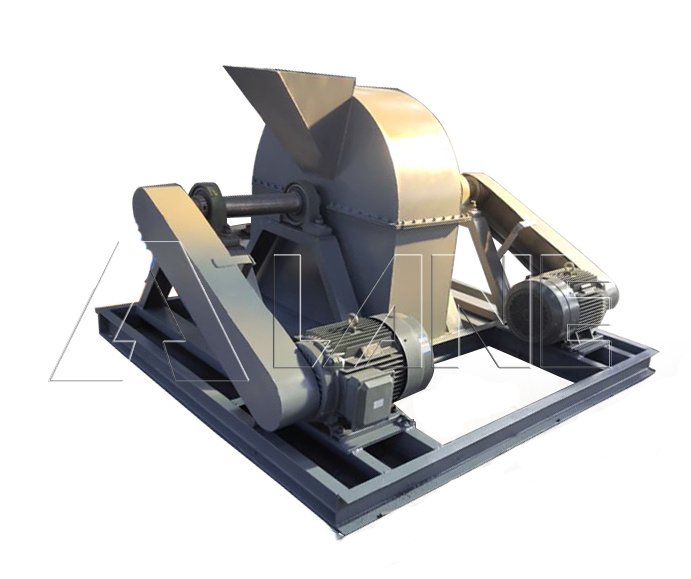
For example, a factory purchasing relatively coarse potassium sulfate may need a crushing or milling stage before blending. If the supplier already provides material with the correct particle size, this stage may be reduced or removed. The goal is to prepare the material for the next operation without adding unnecessary processing costs.
Screening Equipment
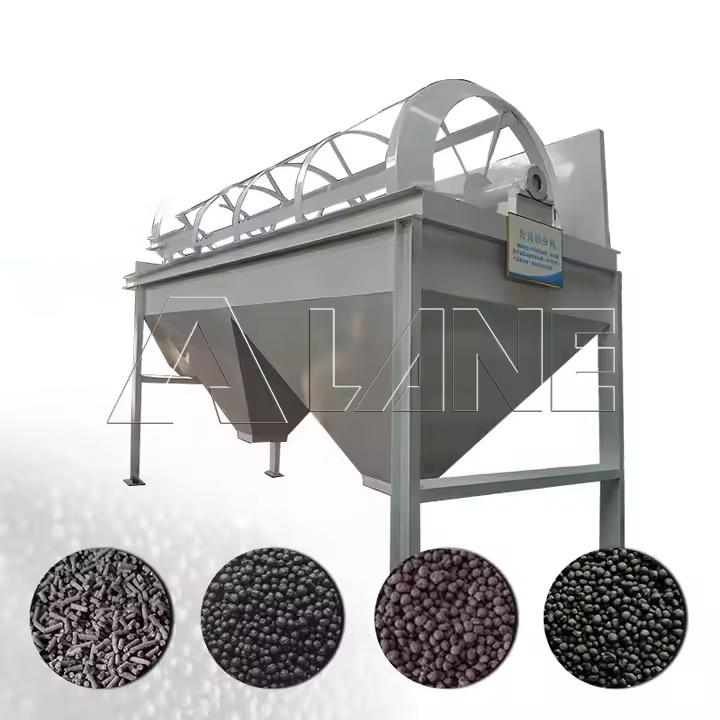
Screening machines classify materials according to particle size. They can separate fines and oversized particles from finished granules or prepare raw materials for subsequent processing, helping manufacturers maintain consistent particle sizes in sop fertilizer for greenhouse products.
In a granular SOP line, screening is important because customers may require a defined particle size range. The screening system can reduce the amount of off-size product entering the packaging stage. Depending on the process design, separated material may be returned for further processing.
A mixer is required when potassium sulfate is combined with other fertilizer materials or additives to produce blended sop fertilizer for greenhouse formulations. Uniform mixing helps maintain consistent composition throughout the batch. The mixer type should be selected according to material properties, batch size, moisture condition, and required mixing uniformity.
For manufacturers producing blended fertilizer products, the mixing stage is particularly important because uneven distribution can affect the nutrient content of the final product. The production plan for sop fertilizer for greenhouse products should therefore consider whether the factory is producing pure potassium sulfate or a blended fertilizer containing SOP.
Fertilizer Granulator
A fertilizer granulator converts powder or conditioned material into larger particles. Different granulation methods are available, and the right choice depends on the material’s physical properties, moisture behavior, binder requirements, target granule size, and production capacity.
A double roller granulator may be considered for dry compaction processes. A rotary drum granulator may be suitable for certain wet granulation formulations. Other granulation methods may also be evaluated according to the material and final product requirements.
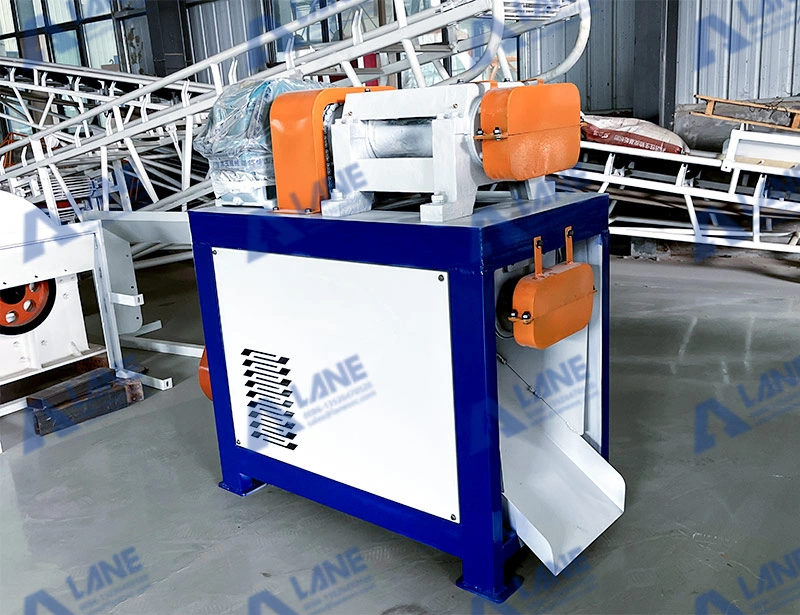
When planning equipment for sop fertilizer for greenhouse products, manufacturers should not select a granulator based only on its advertised output. A machine that handles one fertilizer material successfully may not achieve the same result with another material. Material testing, trial production, and a review of the complete process are important before confirming the equipment configuration.
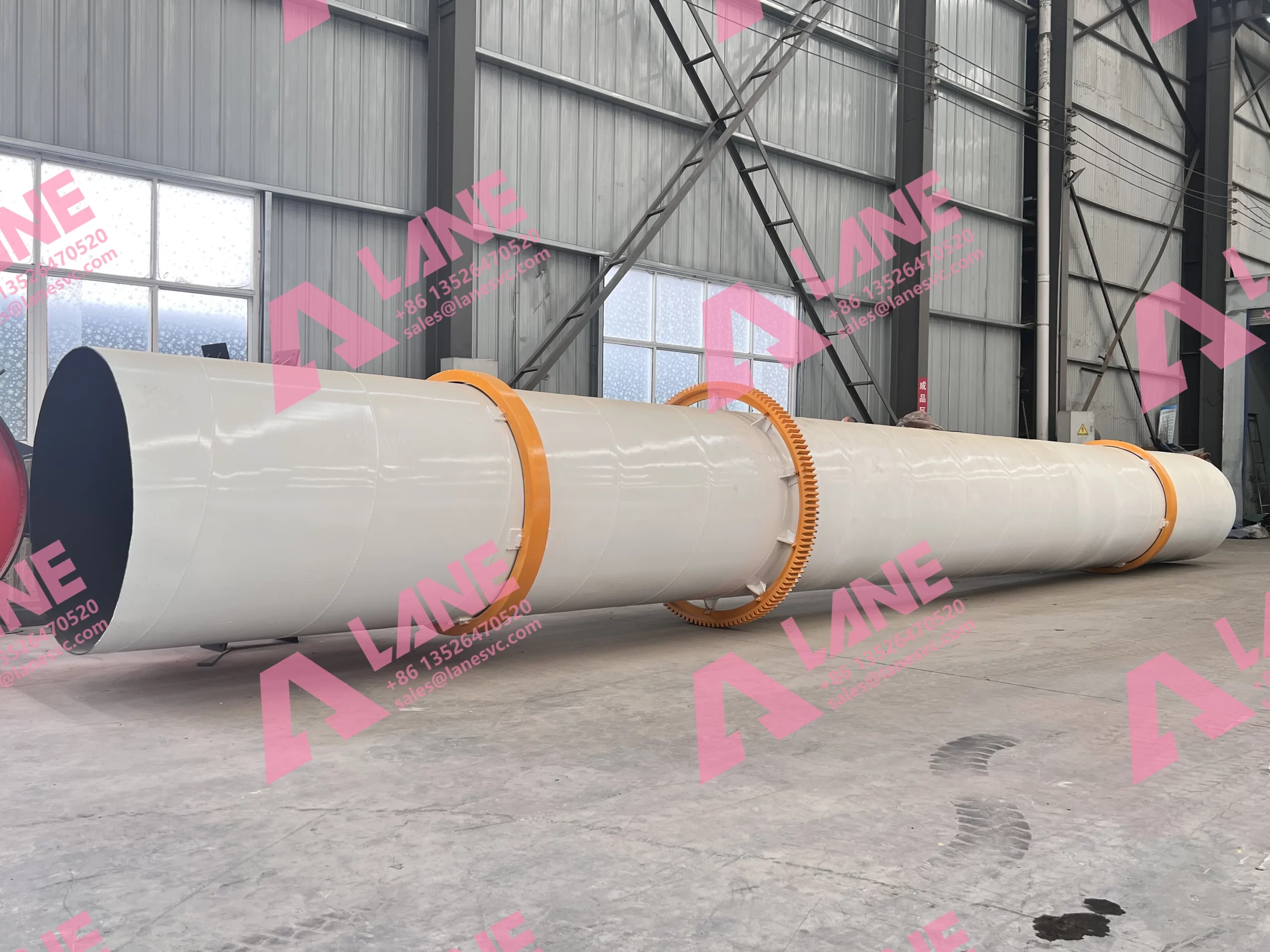
Some granulation processes introduce moisture into the material. A rotary dryer may then be required to reduce the moisture content of the granules. A cooling machine can lower the product temperature before screening and packaging, helping improve the storage and handling stability of granular sop fertilizer for greenhouse products.
The required drying and cooling capacity depends on production rate, incoming moisture, target moisture, granule size, and process temperature. Poor moisture control can contribute to caking, handling problems, and unstable storage quality.
Coating and Packaging Equipment
A coating machine may be used when the finished product requires additional protection against dust or caking. The coating material and application method should be compatible with the intended use of the product.
Packaging equipment is selected according to bag size, filling accuracy, packaging material, and production output. A small manufacturer may begin with semi-automatic weighing and bagging equipment, while a larger factory may consider an automatic packaging system.
Not every SOP project needs all these machines. A powder packaging project has different requirements from a complete granular fertilizer processing line. For sop fertilizer for greenhouse production, the equipment list should follow the actual process flow and product specification rather than a fixed machine combination.
How to Choose the Right SOP Fertilizer Production Line?
Selecting a production line should begin with the business plan and technical requirements. Buying machines before defining the product often leads to unnecessary investment or equipment that cannot meet the final quality target.
Raw material condition: Manufacturers should identify whether they will use purchased potassium sulfate crystals, powder, or other feedstocks. Material samples and laboratory analysis can help determine whether crushing, drying, screening, or other preparation steps are required.
Finished product specification: Define whether the target is water-soluble SOP, powder, or granular potassium sulfate. Relevant indicators may include potassium oxide content, sulfur content, chloride level, sodium level, insoluble matter, moisture, particle size, and dissolution performance. These requirements are especially important when producing sop fertilizer for greenhouse applications for fertigation systems.
Production capacity: Estimate the expected hourly and annual output for your sop fertilizer for greenhouse production line. Capacity planning should consider actual market demand, operating hours, maintenance time, raw material supply, and possible seasonal changes in orders.
Process arrangement: Decide which operations are necessary. A project may need only screening and packaging, while another may require crushing, mixing, granulation, drying, cooling, and screening. Each machine should serve a defined purpose.
Factory conditions: Available floor space, building height, electricity, fuel, water, ventilation, dust collection, and local environmental requirements can influence equipment layout. The production line should fit the site rather than forcing the factory to make expensive changes after installation.
Investment and operating costs: Equipment price is only one part of the total investment. Manufacturers should also consider installation, utilities, labor, maintenance, spare parts, packaging materials, and waste treatment where applicable.
Future expansion: If the business expects demand to increase, it may be useful to consider a layout that allows additional equipment to be installed later. However, expansion plans should be based on realistic market expectations rather than an unsupported assumption of rapid growth.
A company targeting sop fertilizer for greenhouse customers should pay particular attention to the difference between fertigation-grade products and conventional granular fertilizers. These products have different quality requirements, and the production process should be designed accordingly. A line intended for soil-applied granules may not be suitable for manufacturing high-purity soluble products.
How LANE Supports SOP Fertilizer Processing Projects
LANE is a fertilizer machinery manufacturer providing equipment and production line solutions for fertilizer processing businesses. For companies exploring potassium sulfate products, the first step is to clarify the raw material, target product form, production capacity, and intended market. These details help determine whether the project needs downstream processing equipment, granulation equipment, or a more specialized chemical production system.
For projects using purchased SOP crystals or powder, LANE can help evaluate the processing arrangement according to the material and finished product requirements. Depending on the project, the equipment may include crushing, screening, mixing, granulation, drying, cooling, and packaging systems. The final configuration should be based on the actual process rather than a fixed package that assumes every manufacturer has the same needs.
For example, a business planning to produce granular potassium sulfate may need a different equipment combination from a company preparing water-soluble powder for fertilizer blending. A factory with existing crushing and screening equipment may also need a different configuration from a new project starting with raw material handling.
For chemical production projects, the engineering scope is different. Reaction equipment, gas handling, environmental controls, and process safety require specialized technical evaluation. These systems should not be confused with ordinary fertilizer granulation equipment.
LANE can discuss project requirements with manufacturers and help evaluate suitable equipment configurations. Businesses can visit the SOP fertilizer production line website to learn more about related production solutions. For companies planning sop fertilizer for greenhouse products, the discussion should begin with product specifications and the actual manufacturing route, not simply with a request for a machine price.
To make an equipment discussion more productive, manufacturers should prepare the following information:
- Raw material type and available material analysis.
- Target product form and quality specification.
- Expected hourly or annual production capacity.
- Required particle size, moisture, and packaging.
- Available factory space and utility conditions.
- Existing equipment, if the project is an expansion.
With these details, LANE can better understand the project and discuss a processing arrangement that matches the manufacturer’s actual production goals.
Conclusion
Greenhouse agriculture creates demand for fertilizers that match specific crop requirements, irrigation systems, and growing conditions. Potassium sulfate is an important option for supplying potassium and sulfur without adding chloride as part of its chemical formula. However, water-soluble, powder, and granular products have different specifications and should be selected according to their intended applications.
For manufacturers, the opportunity in the sop fertilizer for greenhouse market is not simply about following agricultural trends. It is about identifying the products local customers need, understanding the required quality standards, and choosing a production process that can supply those products consistently. This is where market research and production planning need to work together.
Raw material quality, processing methods, equipment configuration, factory conditions, and investment capacity all need to be considered. Whether a business plans to process purchased potassium sulfate or evaluate a larger production project, careful planning is essential.
LANE can help manufacturers evaluate suitable fertilizer processing equipment and production line configurations based on their raw materials, target products, and production requirements. A clear product plan is the first step toward building a practical and sustainable SOP fertilizer business.



Write a Reply or Comment